How to Handle Emergency Property Repairs: A Landlord’s Essential Checklist
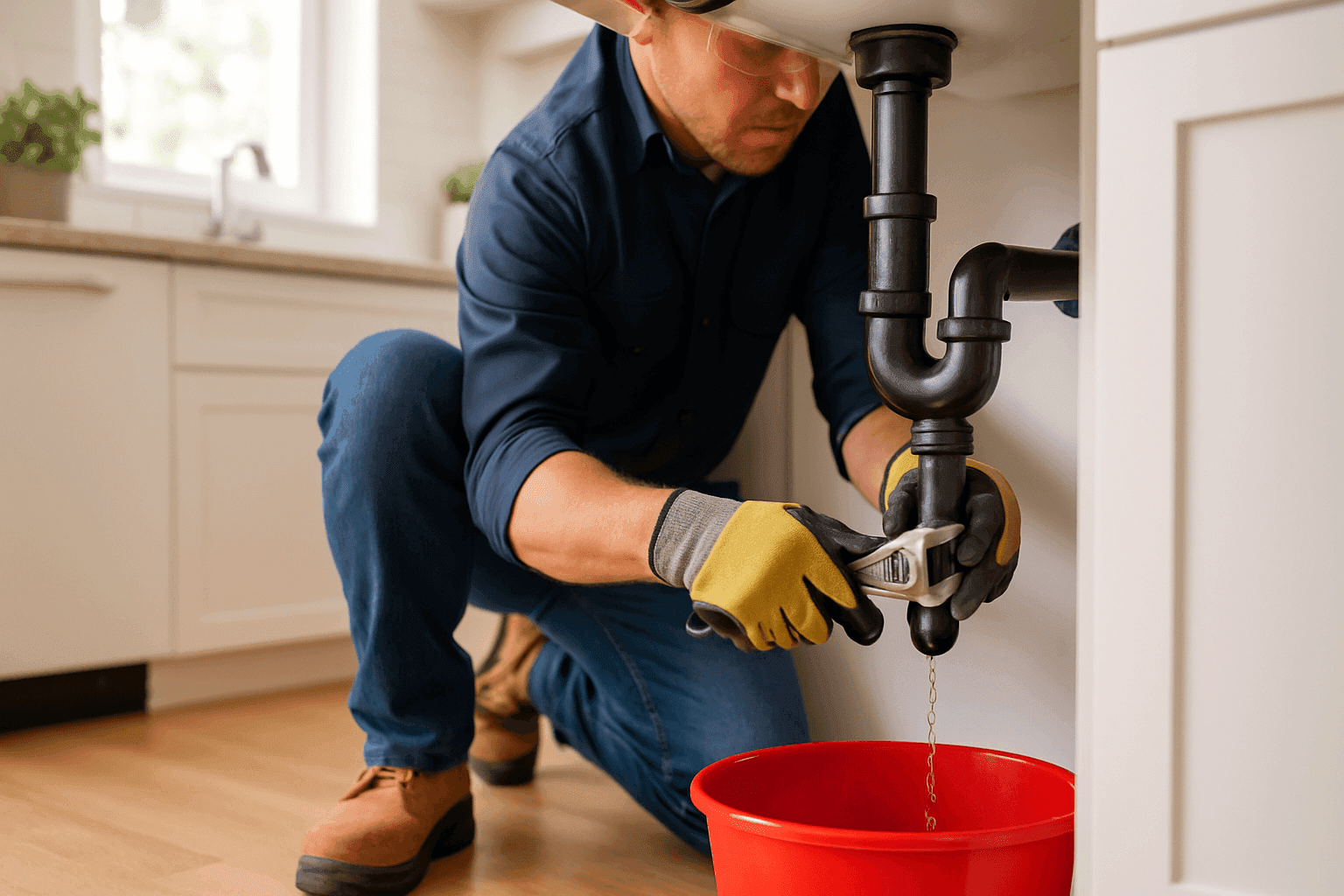
Emergencies don’t wait for anyone. If you manage a rental—residential or commercial—you know the phone rings loudest when something goes wrong. A burst pipe. A late-night electrical outage. Tenants stressed and looking to you for answers.
At Gulfside Property Management, we’ve coordinated thousands of emergency repairs and know just how crucial a calm, organized approach is. This essential checklist helps you act fast, keep everyone safe, and minimize property damage. Let’s break it down.
Understanding Common Property Emergencies 🚨
Every landlord faces the unexpected. Some situations demand immediate action, while others require a cool head and a quick plan. Here are the big five emergencies that no property owner can afford to ignore:
- Burst Pipes: Water everywhere, ceilings sagging, floors soaked. Winter freezes or old plumbing are often to blame.
- Electrical Outages: Sudden darkness, flickering lights, or burning smells. Faulty wiring or overloaded circuits are a real risk.
- Storm Damage: High winds, fallen trees, broken windows. Hurricanes, lightning, or hail can turn a building into Swiss cheese overnight.
- Gas Leaks: Rotten egg smell, hissing sounds. Gas leaks are dangerous—evacuate and call the gas company immediately.
- Lockouts: Tenants locked out at midnight. Not always a “disaster,” but urgent for safety and access.
Recognizing these emergencies quickly is half the battle. The other half? Knowing exactly what to do next.
Immediate Steps to Take: Your Emergency Checklist
When disaster strikes, don’t freeze. Use this checklist as your playbook:
- Assess the Severity
- Is anyone hurt? If yes, call 911 right away.
- Is the property at risk of further damage? Prioritize safety.
- Communicate With Tenants
- Calmly explain what’s happening.
- Advise if evacuation or sheltering in place is required.
- Gather details: Who discovered the issue? When did it start?
- Shut Off Utilities (If Safe)
- Water main valve for leaks.
- Circuit breakers for electrical problems.
- Gas shutoff valves for suspected leaks (only if it’s safe!).
- Call the Right Vendors
- Use only licensed, insured professionals.
- Have a pre-vetted list ready for plumbing, electrical, and restoration services.
- Document Everything
- Photos, videos, written notes—record the scene.
- This helps with insurance coordination and liability management.
- Notify Insurance (If Needed)
- Some emergencies require immediate insurer notification. Check your policy.
Working With Emergency Vendors
Your emergency is their normal day. But not all vendors are created equal. Here’s how to make sure you’re working with the best:
- Vetting Service Providers
- Ask for up-to-date licenses and proof of insurance.
- Check references from other property_management clients.
- Know who’s on call 24/7—don’t wait to find out during a crisis.
- Coordinating Repairs
- Provide clear access instructions and tenant contact info.
- Confirm arrival times and scope of work.
- Insurance Coordination
- Ensure vendors provide proper documentation for insurance claims.
- Keep receipts and reports for your records.
By keeping a trusted list of emergency vendors, you’re never left scrambling when seconds count.
Preventative Measures: Stop Emergencies Before They Start 🛠️
Think of property emergencies like potholes. Ignore them, and things only get worse. Regular maintenance is your best defense.
- Schedule Routine Inspections
- Plumbing checks, electrical panel reviews, roof inspections.
- Use certified inspectors who know local safety codes.
- Upgrade Old Systems
- Replace aging pipes, update wiring, seal windows and doors.
- Educate Tenants
- Provide clear instructions on what to do during leaks, outages, or storms.
- Post emergency numbers in common areas.
- Test Safety Devices
- Smoke detectors, carbon monoxide alarms, and fire extinguishers.
- Set calendar reminders for monthly or quarterly tests.
Following industry best practices—like guidelines from the National Fire Protection Association (NFPA) and local building codes—reduces risks and keeps your property in top shape.
DIY vs. Call a Pro: Knowing Your Limits
Some repairs are simple. Tightening a leaky faucet. Resetting a tripped breaker. Others? Not so much.
DIY:
- Minor clogs
- Simple lock changes
- Replacing light bulbs or batteries
Call a Pro:
- Complex plumbing leaks
- Electrical faults or outages
- Gas leaks (always!)
- Major storm or water damage
- Structural repairs
Never risk your safety or the property’s value by going beyond your expertise. Licensed professionals exist for a reason.
What Pros Do On Arrival
When a qualified technician arrives, here’s what you can expect:
- Assessment: Quick inspection to confirm the cause and extent of the issue.
- Securing the Area: Shutting off utilities, setting up barriers, or evacuating if needed.
- Immediate Repairs: Stop the bleeding—patching leaks, securing broken windows, restoring power.
- Detailed Reporting: Providing you with repair notes, photos, and recommendations for follow-up.
Professional vendors comply with Occupational Safety and Health Administration (OSHA) standards and local regulations. This protects you, your tenants, and the property.
Prevention & Maintenance: Building a Resilient Property
Don’t let emergencies catch you off guard twice. Gulfside Property Management recommends:
- Maintaining an up-to-date property manual with emergency contacts, shutoff locations, and vendor info.
- Scheduling bi-annual property inspections, especially before storm season.
- Keeping an eye on high-risk areas: basements, attics, electrical rooms, and exterior drainage.
Small investments in regular maintenance save thousands in emergency repairs down the line.
Costs & Time Factors: What to Expect
No two emergencies are alike. Costs and repair timelines depend on:
- Type of Emergency: Burst pipes and electrical fires often require urgent, costly interventions.
- Extent of Damage: The more severe, the longer and costlier the fix.
- Time of Day/Year: After-hours or peak season calls often cost more.
- Vendor Availability: Quality, licensed providers can be in high demand.
Budgeting and forecasting for emergency repairs is part of smart property_management. Always keep a reserve fund for surprises.
When It’s an Emergency: Red Flags to Never Ignore 🚩
Some situations can’t wait. Here’s when to act fast:
- Water is actively leaking or flooding
- Electrical sparks, burning smells, or repeated power loss
- Visible or suspected gas leaks
- Tenant safety is at risk (broken locks, shattered windows, structural collapse)
- Fire alarms or carbon monoxide detectors going off
If you’re ever unsure, err on the side of caution. Fast action saves lives and property.
FAQ: Landlord Emergency Repair Questions
How fast do I need to respond to an emergency repair request?
Immediately. Most states require “prompt” action to protect tenant safety and habitability. Always check your local and state codes.
Who pays for emergency repairs—the landlord or the tenant?
Generally, landlords are responsible unless tenant negligence is involved. Review your lease and consult with a real estate attorney if unsure.
Can I use my own handyman for emergencies?
Only if they’re licensed for the repair type. Some repairs (like electrical or gas) legally require certified professionals.
What if my tenant calls after hours?
Have a 24/7 emergency line or property_management service in place. Quick, reliable response is part of tenant retention and risk management.
Local/Seasonal Considerations
Emergencies can follow the seasons. In hurricane-prone areas, be storm-ready by securing windows, clearing gutters, and stocking sandbags before peak season. In colder climates, winterize pipes and inspect insulation. For commercial properties, double-check emergency lighting, fire exits, and backup power systems before major weather events.
No matter where you are, proactive planning with Gulfside Property Management means you’re prepared, not panicked.
When emergencies happen, you need a plan, trusted partners, and a steady hand. Gulfside Property Management coordinates everything—from vendor management to insurance, 24/7.
Call Gulfside Property Management now — or reach us anytime at 844-484-9214 .