Long-Term vs. Short-Term Rental Management: Pros, Cons, and Key Considerations
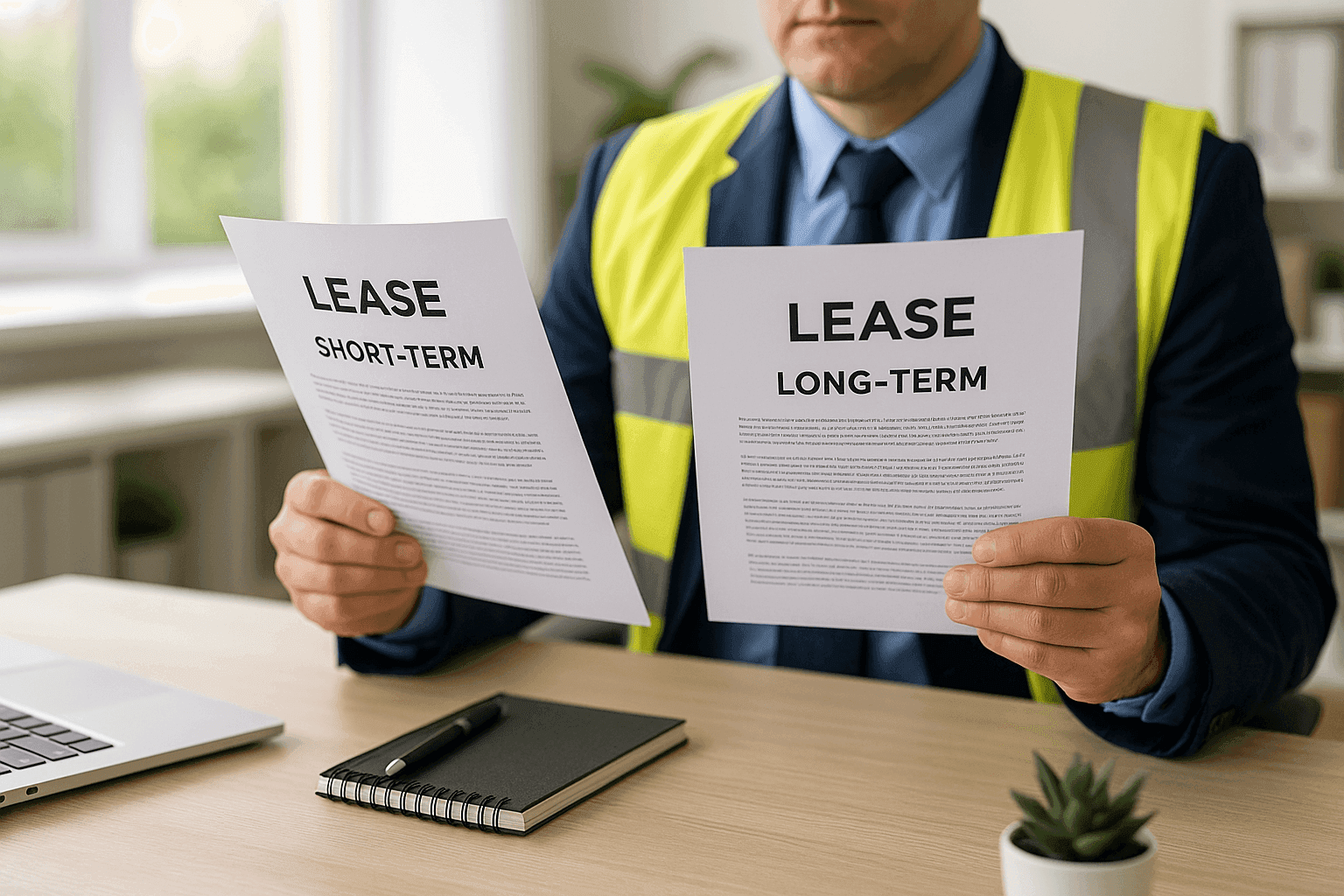
Are you stuck at the crossroads, deciding between short-term or long-term rental management for your property? The choice isn't easy. Each path leads to a different destination—one filled with a steady hum of predictability, the other with a revolving door of opportunity (and sometimes, uncertainty).
At Gulfside Property Management, we know that the right decision depends on more than just numbers. It’s about your lifestyle, risk tolerance, and vision for your investment. Let’s break down what you need to know—plain and simple.
What Is Short-Term vs. Long-Term Rental Management? 🏡
Let’s start with the basics.
Short-term rental management means renting your property for brief periods—think nightly, weekly, or monthly stays. Platforms like Airbnb and VRBO have made this option popular. Guests come and go, like tides on the gulf.
Long-term rental management, on the other hand, involves leasing your property for six months or longer—often a year or more. Tenants settle in, build routines, and treat your place like home.
Operational differences:
- Short-term: High volume of bookings and turnovers, frequent cleaning and inspection, dynamic pricing, and strict attention to guest experience.
- Long-term: Fewer turnovers, consistent lease terms, stable rent collection, ongoing maintenance, and more predictable tenant relations.
Both models require solid property_management, but the day-to-day can look very different.
Pros and Cons of Each Strategy
Let’s weigh the options, side-by-side.
Short-Term Rental Management
Pros:
- Potential for higher income: Nightly rates often outpace monthly leases, especially in tourist hotspots.
- Flexibility: Block dates for personal use or quick renovations.
- Market responsiveness: Adjust pricing to demand, events, or seasonality.
Cons:
- Vacancy risk: More empty nights between bookings, especially off-season.
- Increased wear and tear: Frequent Move-In/Move-Out Coordination, cleaning, and inspections.
- Legal and insurance complexity: Some areas restrict short-term rentals. Insurance costs can be higher, and compliance (like fire code and local ordinances) is a must.
- Time commitment: Managing bookings, marketing, guest communication, and turnovers is hands-on—unless you have a property_management partner near you.
Long-Term Rental Management
Pros:
- Stable income: Monthly rent provides steady cash flow, making budgeting and forecasting easier.
- Lower turnover: Fewer Move-In/Move-Out Coordination needs, less vacancy marketing.
- Simpler logistics: One set of keys, one lease, regular rent collection.
- Less frequent maintenance: Tenants handle minor issues; major repairs can be planned.
Cons:
- Limited flexibility: You can’t use the property for personal stays or sudden renovations.
- Potential for problem tenants: If screening isn’t thorough, you could be locked into a lease with unreliable renters.
- Rental rate lock: Income is fixed for the lease term, even if market rates rise.
Key Considerations for Owners
Think of your rental property as a boat. The right management style depends on where you want to sail, and how much you want to steer.
- Market demand: Is your area a vacation hotspot with high tourist turnover? Or do local families and professionals seek year-long leases?
- Maintenance needs: Short-term rentals need frequent cleaning and quick fixes. Long-term homes require routine inspections and scheduled upgrades.
- Legal compliance: Zoning laws, housing codes, and insurance requirements vary by rental type. Consult sources like the National Multifamily Housing Council (NMHC) or your local housing authority.
- Budgeting: Short-term income can be unpredictable. Factor in cleaning, utilities, and vacancy rates. Long-term rentals offer predictability, but may yield lower monthly returns.
- Insurance and risk management: Short-term rentals often require specialized insurance. Long-term tenants need lease agreements that protect your interests.
Case Scenarios
When Short-Term Rental Management Shines
- Downtown condos or beach houses: High demand from vacationers.
- Owners who want personal use: Block weekends for family trips.
- Properties with unique amenities: Pools, views, or luxury finishes can fetch premium nightly rates.
When Long-Term Rental Management Makes Sense
- Single-family homes in residential neighborhoods: Attracts families or professionals looking to settle.
- Owners seeking steady income: Predictable rent, easier accounting, and less frequent Move-In/Move-Out Coordination.
- Properties subject to HOA or city restrictions: Some communities ban or limit short-term rentals.
Data-Driven Insights
According to the Urban Land Institute, short-term rentals can generate 30–50% higher gross revenue than long-term leases in peak markets. But this comes with increased expenses and effort. On the flip side, data from the National Apartment Association show that long-term rentals have lower vacancy rates (typically under 7%) and more stable cash flow.
Risk Management Tips
- Tenant screening: Always check references, credit, and background for long-term tenants. For short-term guests, use booking platform verification systems.
- Legal documentation: Use up-to-date, attorney-reviewed lease agreements and house rules.
- Emergency planning: Both models need 24/7 emergency services available—whether it’s a midnight plumbing leak or a guest locked out.
Practical Tips for Both Approaches
- Automate rent collection: Use online payment systems for both long-term tenants and short-term guests.
- Vendor management: Build relationships with reliable cleaners, handymen, and vendors for fast turnaround.
- Regular inspections: Schedule routine inspections—after every short-term stay, or quarterly for long-term tenants.
- Transparent accounting: Financial reporting should be clear, timely, and accessible.
Real-World Steps: Making Your Choice
- Assess your goals: Do you want maximum income, or minimal hassle?
- Check local laws: Some cities restrict short-term rentals or require special permits.
- Estimate your time commitment: Will you manage bookings and maintenance yourself, or partner with a property_management company near you?
- Crunch the numbers: Calculate potential income, expenses, and vacancy rates for each model.
- Consider your risk tolerance: Are you comfortable with unpredictability, or do you prefer stability?
Frequently Asked Questions
How do I know which rental strategy fits my property?
Consider location, property type, your desired involvement, and local demand. Urban condos often suit short-term rental management, while suburban homes work better as long-term rentals.
What are the biggest risks for each approach?
Short-term: Regulatory changes, high turnover, increased maintenance.
Long-term: Problem tenants, market stagnation, less flexibility.
Is mixing both strategies possible?
Hybrid models exist, but check HOA rules, insurance, and local ordinances. Some owners use short-term management during peak seasons and long-term leases otherwise.
Local and Seasonal Factors
- Tourist seasons: Coastal and urban properties see demand spike during holidays and festivals.
- Weather risks: Hurricane season or winter storms may impact occupancy and maintenance needs.
- HOA regulations: Some communities limit rental types or require special approval—always check before listing.
Conclusion
Choosing between long-term and short-term rental management is like picking the right pair of shoes for a journey. The best fit depends on the path ahead, your pace, and what you want to experience along the way.
If you’re weighing your options, Gulfside Property Management can help you navigate every step—whether it’s Move-In/Move-Out Coordination, tenant screening, or 24/7 emergency services.
Call Gulfside Property Management now — or reach us anytime at 844-484-9214 .