The Ultimate Guide to Property Maintenance: Preventative Strategies for Every Season
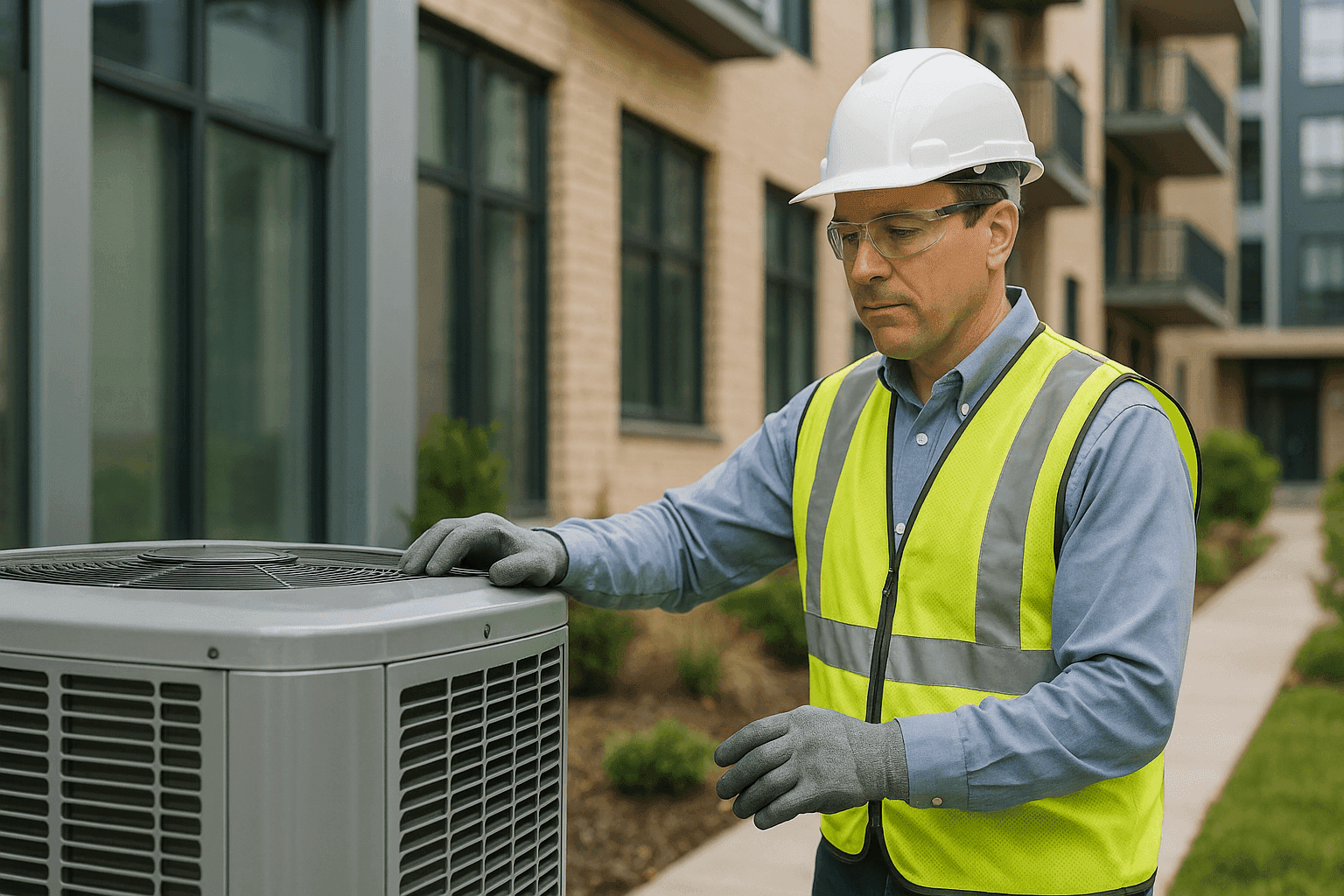
Owning or managing property can feel like juggling flaming torches—one wrong move, and things heat up fast. At Gulfside Property Management, we know the secret isn’t magic. It’s planning ahead.
Preventative maintenance is what keeps your investment steady, safe, and stress-free. This guide isn’t just a checklist. It’s your roadmap to fewer emergencies, happier tenants, and a property that stands the test of time.
Why Preventative Maintenance Matters 🛠️
Think of maintenance as the seatbelt for your property. You hope you never need it in a crisis, but you’re grateful it’s there.
Financial Benefits: Small repairs now mean fewer big-ticket disasters later. Replacing a worn gasket is cheaper than fixing water damage from a burst pipe. Routine inspection stretches the life of HVAC, roofs, and appliances—big savings over years.
Safety: Regular upkeep protects everyone. Loose handrails, malfunctioning smoke detectors, or faulty wiring are accidents waiting to happen. Staying ahead of these keeps residents safe and reduces liability.
Tenant Retention: Happy tenants are long-term tenants. Fast, proactive service keeps renters content and your vacancy rate low. Word gets around—good maintenance is good business.
Seasonal Checklists: Your Year-Round Safety Net
Each season brings new challenges. Here’s how to meet them head-on, inside and out.
Spring Checklist
Exterior:
- Inspect roofing for winter damage; clear gutters and downspouts.
- Power-wash siding and check for cracks or peeling paint.
- Test irrigation systems; look for leaks or broken sprinkler heads.
- Repair concrete walkways and parking lots—freeze-thaw cycles can create trip hazards.
Interior:
- Service HVAC before the summer rush.
- Replace air filters and clean vents.
- Check for water leaks under sinks and around appliances.
- Inspect smoke and carbon monoxide detectors.
Summer Checklist
Exterior:
- Trim trees and bushes away from structures (prevents storm damage).
- Examine decks, balconies, and railings for wear.
- Monitor exterior lighting for safety and security.
Interior:
- Inspect plumbing for condensation or leaks.
- Check attic fans and insulation.
- Test window locks and seals.
Fall Checklist
Exterior:
- Clean gutters after leaves drop.
- Inspect roof, flashing, and chimney.
- Winterize sprinkler systems.
- Seal cracks in driveways and walkways to prevent ice risks.
Interior:
- Service heating systems.
- Reverse ceiling fans to push warm air down.
- Check caulking around windows and doors.
- Stock up on ice melt and snow shovels.
Winter Checklist
Exterior:
- Clear snow and ice from paths, steps, and entryways.
- Inspect roof for ice dams; address immediately.
- Check exterior pipes for freezing.
Interior:
- Monitor indoor humidity to prevent mold.
- Test emergency lighting.
- Review emergency supplies (flashlights, batteries, first aid).
Emergency Preparation
Storms, freezes, or even a simple holiday weekend can turn routine into chaos. Here’s how to stay ready:
- Storm Readiness: Secure outdoor furniture, trim weak branches, and keep drains clear. Know your evacuation routes and review local building codes for emergency power requirements (see FEMA guidelines).
- Freeze Prep: Insulate exposed pipes, and keep thermostats at safe temperatures. Remind tenants to drip faucets in extreme cold.
- Holiday Surges: Before major holidays, check fire extinguishers and test security systems. Increased guest traffic? Double-check locks and access controls.
Working With Vendors
Finding the right pro is like picking the right tool—one size doesn’t fit all.
- Vetting: Ask for licenses, proof of insurance, and references. Check their standing with the Better Business Bureau or local licensing agencies.
- Scheduling: Book seasonal services early—reputable vendors fill up fast.
- Transparency: Require detailed estimates and written agreements. Track all work for future reference.
Vendor management is part of our DNA at Gulfside Property Management. We don’t just pick the cheapest—we find reliable partners who show up, stand behind their work, and know local code.
Risk Reduction Strategies
Reduce risk by layering your defenses:
- Regular inspections (quarterly or by season).
- Clear documentation for all maintenance and repairs.
- Up-to-date insurance, with coverage reviewed annually.
- Customized property checklists based on the property’s age, use, and location.
Refer to standards from the National Fire Protection Association (NFPA) and International Code Council (ICC) for authoritative maintenance guidelines.
Year-Round Plan: Protecting Value & Minimizing Emergencies
A solid maintenance plan is a living document. It flexes with your property’s needs, your tenants’ habits, and the local climate.
- Set reminders: Use digital calendars or property_management software for recurring tasks.
- Track expenses: Good records help with budgeting and forecasting—and make tax time less painful.
- Communicate: Keep tenants in the loop on scheduled work. Transparency builds trust and reduces complaints.
Costs & Time Factors
Maintenance isn’t free—but emergencies cost more. Here’s what to expect:
- Time: Routine inspections take a few hours each season. Major repairs may mean a day or two of disruption.
- Costs: Expect to invest 1–3% of property value in annual maintenance (source: Institute of Real Estate Management). Emergency repairs can multiply that in a single event.
Factor these into your annual budgeting and forecasting. A little discipline now pays off in fewer headaches later.
When It’s an Emergency
Recognize the red flags:
- Flooding or major leaks
- No heat in winter
- Gas smells or electrical shorts
- Broken locks or unsecured entries
Have a 24/7 plan in place. At Gulfside Property Management, rapid response is in our service DNA—because some things can’t wait.
FAQ
How often should I inspect my rental property?
Generally, every season is best. At minimum, inspect before new tenants move in and after move-out.
Can I do maintenance myself, or should I hire a pro?
Some tasks (like changing filters) are DIY-friendly. Electrical, major plumbing, and HVAC—call a licensed professional.
Is preventative maintenance required by law?
Some local codes mandate smoke detectors, carbon monoxide alarms, and certain inspections. Check your city or county regulations.
How do I keep tenants informed?
Send advance notices for scheduled work. Use email, posted flyers, or your property_management portal.
Local & Seasonal Considerations
Your climate, building age, and tenant mix shape your maintenance plan. In coastal regions, salt and humidity mean more frequent exterior checks. In colder climates, winter prep is critical. Commercial properties may have stricter code requirements—always verify with local building authorities.
Ready to Build Your Year-Round Plan?
Property maintenance isn’t just a chore. It’s the foundation of property value, tenant satisfaction, and peace of mind. Whether you need Move-In/Move-Out Coordination near you, vendor management, or 24/7 emergency support, Gulfside Property Management is your year-round partner.
Call Gulfside Property Management now — or reach us anytime at 844-484-9214 .