The Complete Guide to Residential Property Management Essentials
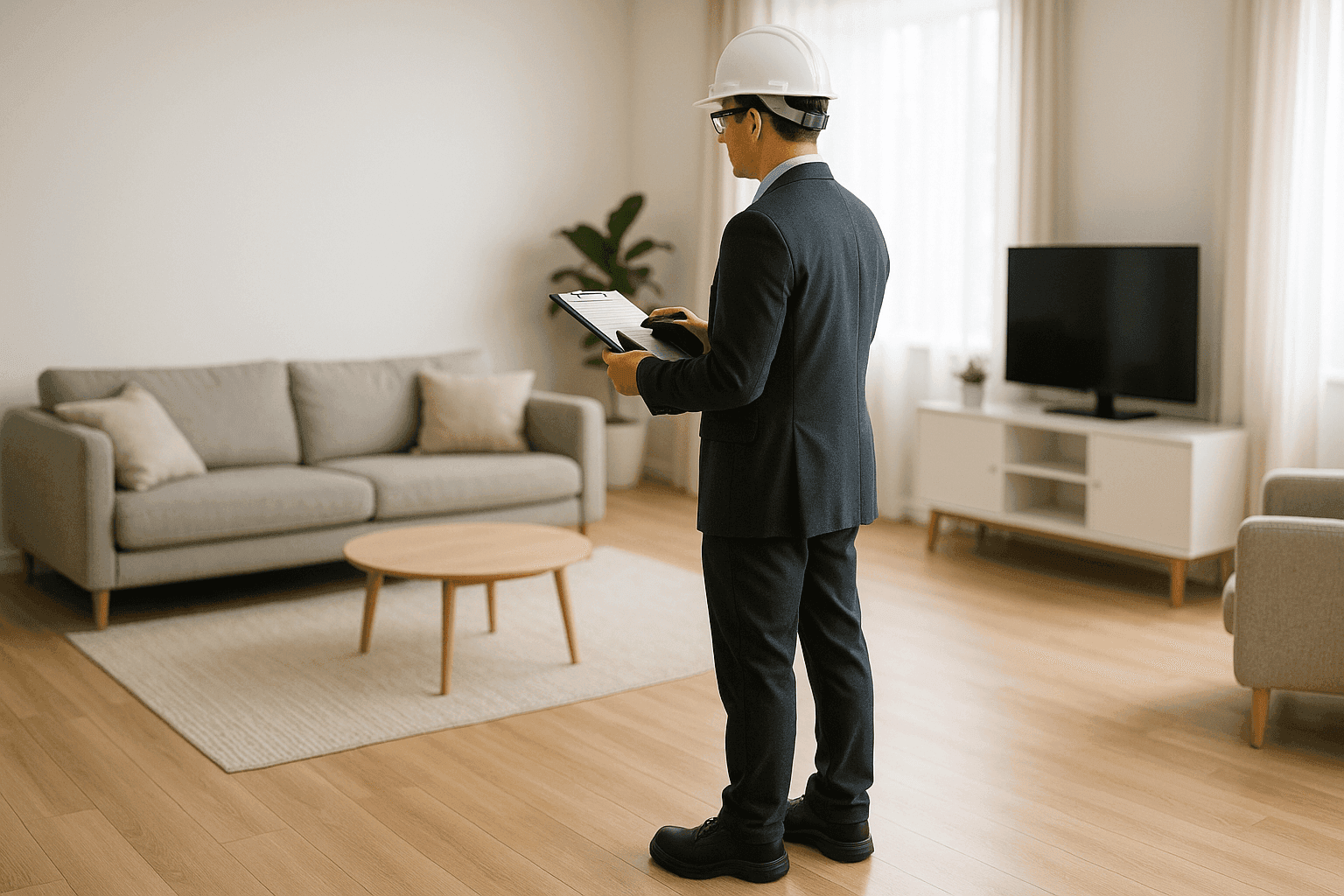
Every home tells a story. For property owners, the challenge is making sure it’s one of comfort, safety, and smart returns. At Gulfside Property Management, we know residential property_management is more than collecting rent—it's about weaving together people, places, and peace of mind.
If you’re feeling the weight of balancing tenants, paperwork, maintenance, and compliance, you’re not alone. Let’s break down the building blocks of managing homes, condos, and multi-unit spaces—so you can focus on what matters most.
Understanding Residential Property Management 🏡
Residential property_management is the art and science of caring for homes that aren’t your own. It covers everything from preparing a home for new tenants to making sure the roof doesn’t leak—and that the rules are followed every step of the way.
But why is this so critical for homeowners and investors? Think of property_management as the conductor of an orchestra. Without it, even the best properties can fall out of tune: missed repairs, unhappy tenants, surprise legal issues, or lost income. A strong management process keeps your investment healthy and your residents satisfied.
Key industry standards like the National Association of Residential Property Managers (NARPM) and federal Fair Housing laws set the foundation for ethical, smooth operations. Documentation, consistent systems, and open communication are the pillars that hold everything up.
Key Responsibilities of a Property Manager
Every day brings a new task. Here are the essentials Gulfside Property Management handles for you:
Move-In/Move-Out Coordination near you
- Detailed checklists for move-in and move-out
- Professional cleaning and repairs
- Inventory and condition documentation (photos, written reports)
- Key handover and utility management
Tenant Screening
- Background checks, credit history, and employment verification
- Reference calls to previous landlords
- Adherence to Fair Housing Act standards
Lease Management
- Drafting, reviewing, and renewing leases with clarity
- Setting reminders for lease renewals
- Handling addendums and amendments
Maintenance & Repairs
- 24/7 emergency response for urgent issues
- Scheduling routine repairs—plumbing, HVAC, electrical, and more
- Regular inspections and vendor management
Rent Collection
- Setting up reliable online payment systems
- Managing late payments and notices
- Applying late fees professionally, per lease terms
A well-managed property runs like a well-oiled machine. Each of these pieces fits together to keep your investment safe and your tenants happy.
Best Practices for Tenant Relations
A good relationship with tenants can turn a house into a home—and a tenant into a long-term resident.
Communication is Key
- Respond quickly to questions and maintenance requests
- Use clear, friendly language in emails and notices
- Set expectations early: what’s included, how to report issues, emergency contacts
Retention Strategies
- Offer lease renewal incentives (when appropriate)
- Schedule regular check-ins (without being intrusive)
- Celebrate milestones (move-in anniversaries, holidays)
Handling Disputes
- Listen first—let tenants explain their concerns
- Stick to the lease and documented policies
- Mediate calmly; escalate only when necessary
According to the U.S. Department of Housing and Urban Development (HUD), clear documentation and fair treatment reduce the risk of costly disputes. The goal? Respect, transparency, and a positive experience for all involved.
Maintenance and Inspections 🛠️
Picture a car that never gets an oil change. Eventually, something breaks. Properties are no different.
Regular Inspections
- Move-in/move-out walkthroughs with tenants
- Seasonal checks: gutters in fall, HVAC in spring, roof after storms
- Safety checks: smoke detectors, CO alarms, locks
Responsive Repairs
- Address maintenance requests promptly
- Keep an updated list of trusted vendors
- Follow local building codes and safety guidelines (consult sources like the International Property Maintenance Code)
Seasonal Needs
- Winterize pipes and irrigation
- Clean gutters and check for roof leaks after heavy weather
- Service heating and cooling systems
Routine care prevents big, expensive headaches. It also keeps tenants feeling valued—and more likely to stay.
Financial Management
Handling the money side of property_management is like steering a ship. Small errors can drift you off course, but strong systems keep you on track.
Budgeting & Forecasting
- Create annual budgets for repairs, upgrades, and emergencies
- Track actual vs. projected expenses
- Plan for capital improvements (roof, HVAC, appliances)
Financial Reporting
- Monthly income and expense statements
- Year-end reports for tax filing
- Easy-to-read summaries shared with owners
Online Payment Systems
- Secure, convenient portals for tenants
- Automated reminders for rent due dates
- Transparent tracking of all transactions
The Institute of Real Estate Management (IREM) recommends timely, accurate reporting and secure payment systems as industry best practice. Good records help you see the big picture—and make better decisions.
Compliance and Risk Management ⚖️
The rules for property_management are there for a reason. Ignoring them is like playing chess without knowing the moves.
Legal Requirements
- Adhere to local, state, and federal landlord-tenant laws
- Comply with Fair Housing regulations (no discrimination)
- Obtain and renew required licenses and registrations
Insurance Coordination
- Confirm adequate property and liability coverage
- Require renter’s insurance from tenants where allowed
- Keep policies current and documentation updated
Risk Management
- Thorough tenant screening to reduce risk of non-payment or damage
- Regular safety inspections (smoke alarms, stair rails, pool enclosures)
- Clearly defined emergency procedures posted and shared
According to HUD and the National Multifamily Housing Council, thorough documentation is your best shield if disputes arise. Keep records of everything—inspections, communications, repairs, and payments.
How to Streamline Your Operations
Want to make things easier? Here are practical steps:
- Use checklists for every process (move-in, move-out, inspections)
- Adopt user-friendly software for payments and communication
- Schedule regular reviews of your budget and maintenance plans
- Stay up-to-date on legal changes—subscribe to reputable industry newsletters
- Build relationships with reliable vendors and service professionals
FAQ: Residential Property Management
How often should I inspect my rental property?
Ideally, at move-in, move-out, and at least once or twice a year for ongoing tenancies. Seasonal checks are also smart.
What happens if a tenant stops paying rent?
Follow your lease terms and local eviction laws. Document every step, communicate clearly, and seek legal advice if needed.
Can I charge for repairs if the tenant caused damage?
Yes, but only for damages beyond normal wear and tear. Always document with photos and written estimates.
How do I set the right rent price?
Use a market analysis—compare similar properties in your area, factor in amenities, and consult industry sources like the National Apartment Association for trends.
Local and Seasonal Considerations 🌦️
Every region has quirks—flood risks, heat waves, snow, or storms. Schedule seasonal maintenance to match local needs, and monitor weather advisories. Stay familiar with local building codes and fair housing ordinances, as requirements can shift from city to city.
Final Thoughts
Residential property_management is a balancing act. It’s about people, processes, and performance—all tied together by trust and clear communication. By focusing on the essentials—move-in/move-out coordination near you, tenant screening, maintenance, and compliance—you’ll protect your investment and keep tenants happy.
Ready to take the next step?
Call Gulfside Property Management now — or reach us anytime at 844-484-9214 .